Ford Towing Capacity: What You Need to Know Before You Hitch Up
If you're shopping for a Ford because you need to tow a boat, camper, trailer, or equipment, you already know the right towing capacity matters. What surprises a lot of buyers is how much that number can change depending on the exact trim, engine, axle ratio, and tow package. A half-ton F-150 can tow anywhere from around 5,000 lbs to over 13,000 lbs depending on how it's configured. Getting this wrong — in either direction — is a costly mistake.
This guide breaks down Ford towing capacity by model, explains the key factors that affect your number, and helps you figure out what you actually need before you buy or hitch anything up.
Ford F-150 Towing Capacity
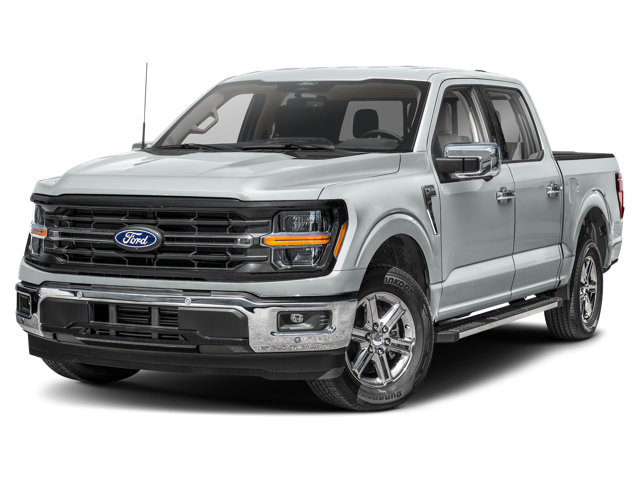
The F-150 is Ford's most popular truck, and it covers an enormous range of towing needs. Here's what the numbers generally look like across engine options:
- 2.7L EcoBoost V6: Up to approximately 8,200–9,000 lbs depending on configuration
- 3.5L EcoBoost V6: Up to approximately 13,000–13,500 lbs — the top-performing engine for towing in the F-150 lineup
- 5.0L V8: Up to approximately 11,000–12,000 lbs
- 3.3L V6 base engine: Rated around 7,700 lbs — sufficient for lighter trailers and small boats
- PowerBoost Hybrid (3.5L): Up to approximately 12,000 lbs, with the added benefit of onboard power generation
These figures assume the truck is properly equipped with a tow package, the right axle ratio, and isn't loaded to its payload limit. Real-world capacity on your specific truck will be listed on the door jamb sticker — always check that first.
Ford Super Duty Towing Capacity (F-250, F-350, F-450)
If your needs go beyond what a half-ton can handle — think large fifth-wheel campers, heavy equipment trailers, or commercial loads — the Super Duty lineup is where Ford really flexes.
- F-250 with 6.7L Power Stroke Diesel: Capable of towing up to approximately 22,800 lbs when properly equipped for conventional towing
- F-350 with 6.7L Power Stroke Diesel (fifth wheel/gooseneck): Up to approximately 43,000 lbs — among the highest ratings in the segment
- F-450 (fifth wheel/gooseneck): Up to approximately 43,000 lbs as well, with higher payload ratings than the F-350
- 6.2L and 7.3L gas engines: Lower but still substantial capacity — typically in the 15,000–21,000 lb range depending on truck and configuration
For mid-Michigan buyers hauling seasonal equipment, large campers up north, or ag trailers, the Super Duty is worth a serious look. The difference between a well-equipped F-250 and a maxed-out F-150 is significant both in capability and in how confidently the truck handles a heavy load on I-75 or M-20.
Ford SUV and Ranger Towing Capacity
Not everyone needs a full-size truck. Ford's SUVs and the Ranger cover a wide middle ground.
- Ford Ranger: Up to approximately 7,500 lbs with the tow package — enough for a mid-size boat or a single-axle trailer
- Ford Explorer: Up to approximately 5,300 lbs — practical for a pontoon boat or a small camper
- Ford Expedition: Up to approximately 9,300 lbs — the most capable Ford SUV for towing, suitable for larger travel trailers
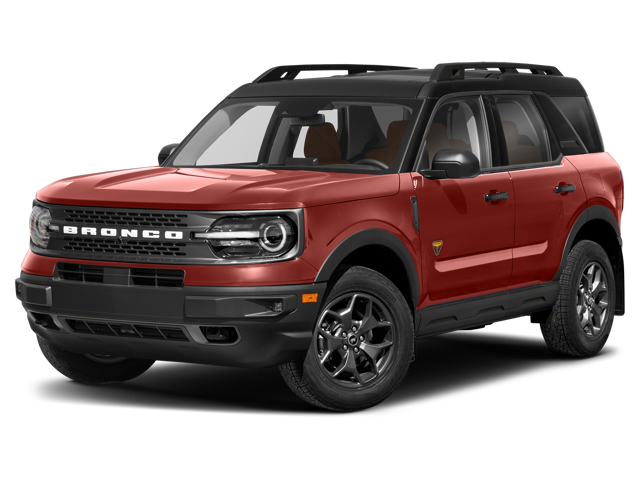
- Ford Bronco: Up to approximately 3,500 lbs (Sport) or 4,500 lbs (full-size) — better suited for recreational use than heavy hauling
- Ford Edge and Escape: Generally in the 1,500–3,500 lb range — light-duty utility only
If you're regularly launching a boat on Saginaw Bay or pulling a snowmobile trailer up to Grayling, the Expedition or a properly equipped Ranger are worth considering seriously. For the occasional light haul, a crossover may be all you need.
What Actually Determines Your Towing Capacity
Ford publishes maximum towing figures, but your truck's actual capacity depends on several factors that can lower that number considerably.
- Tow package: Most Ford trucks require the factory tow package to reach maximum rated capacity. This typically includes a trailer hitch receiver, wiring harness, upgraded cooling, and trailer sway control. Without it, you'll be working with a lower rating.
- Axle ratio: A higher rear axle ratio (like 3.73 or 4.10) generally supports higher towing capacity than a base 3.31 ratio. This is selected at the time of order or purchase.
- Cab and bed configuration: A SuperCrew with a short bed often has a slightly lower max tow rating than a Regular Cab long bed, because the truck's weight distribution changes the available capacity.
- Payload: Towing capacity and payload are related but different. Every passenger and item in the truck reduces your available payload, which in turn affects how safely you can manage tongue weight on a trailer.
- GCWR (Gross Combined Weight Rating): This is the total maximum weight of the truck plus everything it's towing. Staying under this number is just as important as the tow rating itself.
The bottom line: always verify capacity on your specific VIN, not just the model's marketing number. Ford's towing guide (available at Ford.com) lets you look up ratings by configuration, or a dealer can pull the exact specs for any truck on the lot.
Matching Your Trailer to the Right Ford
A common mistake is buying a truck based on the max tow number, then loading it to 95% of that capacity every trip. Most manufacturers and towing experts recommend staying at or below 80% of rated capacity for regular use — it's easier on the transmission, brakes, and frame, and it gives you a safety margin if load shifts or road conditions change.
Here's a rough practical guide for mid-Michigan use cases:
- 14–18 ft aluminum fishing boat: 2,500–4,000 lbs loaded — covered by Ranger, Explorer, or base F-150
- 21–24 ft pontoon boat: 4,500–6,000 lbs loaded — F-150 with tow package or Expedition
- Travel trailer (25–30 ft): 6,000–9,000 lbs — mid-trim F-150 with 3.5L EcoBoost
- Fifth-wheel camper: 12,000–18,000 lbs — F-250 or F-350 recommended
- Equipment/flatbed trailer (skid steer, tractor): Varies widely — Super Duty with diesel is the practical choice
If you're not sure where your trailer falls, weigh it at a local scale loaded the way you'd actually haul it. That number tells you more than any estimate.
Talk to McDonald Ford Before You Buy
Getting the towing configuration right usually means making decisions at the time of purchase — axle ratio, tow package, engine choice. These aren't things you can easily add after the fact. If you're shopping for a Ford truck or SUV in the Saginaw, Midland, or Bay City area and want to make sure you're getting the right setup for what you actually need to tow, the team at McDonald Ford in Freeland can walk you through current inventory and help you match a truck to your real-world use.
Give us a call at 989-625-3161 or stop by the dealership on M-47 in Freeland. We'd rather spend 20 minutes helping you get it right than have you drive away with a truck that's over or under what you need.
Ready to Visit McDonald Ford?
Stop by our dealership in Freeland, MI or give us a call. We're here to help with sales, service, and financing.